APRIL 18, 2026
Your GM doesn't care about engagement rate. Here's what to show them instead.
Published by HoSS — Hospitality Social Media Summit

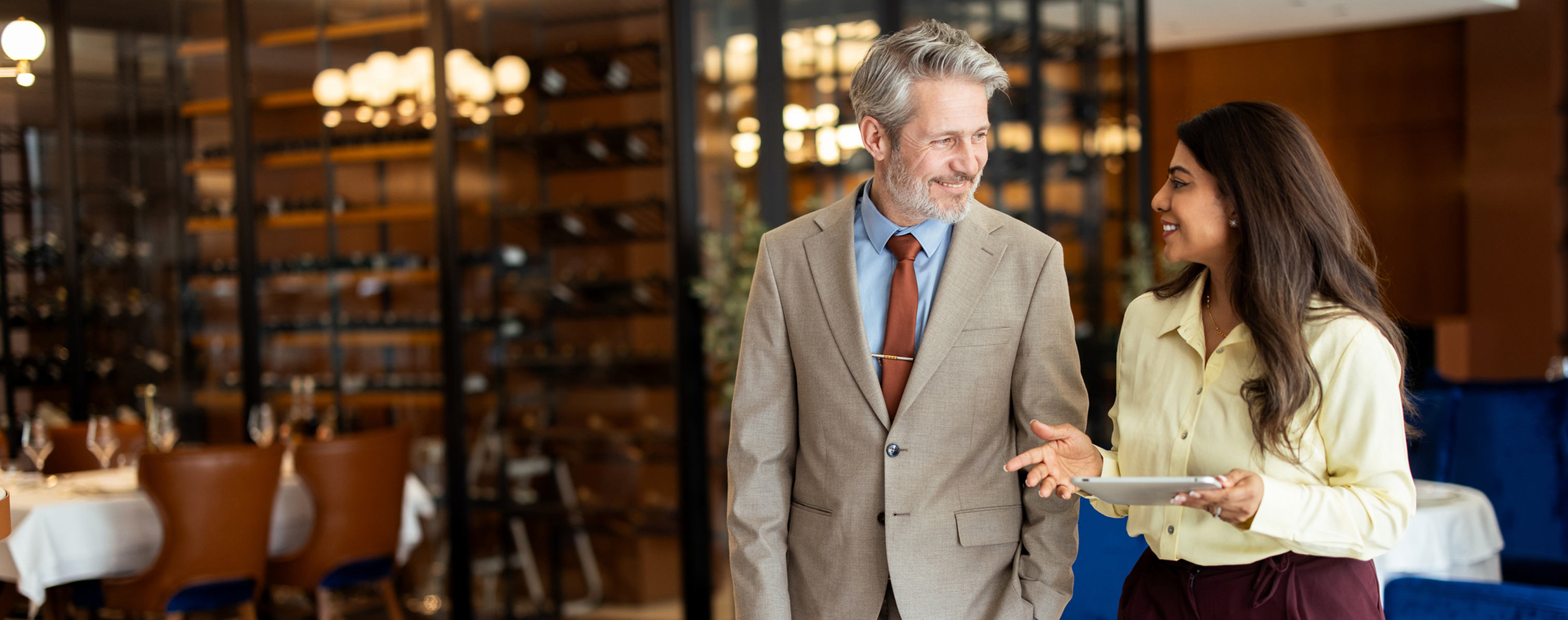

You've just had your monthly check-in with your GM.
You shared the social media numbers — follower
growth, engagement rate, reach, impressions.
They nodded politely. Maybe asked a question about a specific post. Then moved on to the revenue update, the occupancy forecast, and the staffing plan. You left the meeting knowing exactly what happened: they didn't care. Not because social media doesn't matter to them. But because nothing you showed them connected to anything they're measured on.
This is the single biggest problem in hospitality social media — and it has nothing to do with your content, your creativity, or your work ethic. It's a reporting problem. You're speaking one language. Your leadership speaks another. And until you bridge that gap, social media will always feel like a nice-to-have rather than a commercial channel.
The metrics your GM actually thinks about
Before you can fix your reporting, you need to understand what your GM's day looks like. They're managing:
Occupancy.
How full is the hotel? What's the forecast for next month? Where are the gaps?
ADR (Average Daily Rate).
Are they maintaining or growing rate? How does it compare to the comp set?
RevPAR (Revenue Per Available Room).
The single number that captures both occupancy and rate performance. This is the metric that defines success.
Direct booking share.
What percentage of bookings come direct versus OTAs? Every point shifted saves real margin.
Guest satisfaction and reputation scores.
TripAdvisor ranking, Google rating, guest survey results. These directly influence booking conversion rates.
F&B revenue.
Covers, average spend, event bookings. For many properties, F&B is a significant revenue line.
Cost control.
Labour costs, marketing spend, operational efficiency. Every pound needs to justify itself.
Notice what's not on that list: followers, engagement rate, reach, impressions, or any of the metrics that dominate standard social media reporting.
This doesn't mean those metrics are useless. It means they're intermediate — they measure activity, not outcome. Your GM doesn't need to know your engagement rate. They need to know whether social media is contributing to the numbers they report to ownership.


The translation framework
The good news: social media does contribute to those numbers. The problem is that most hospitality teams have never built the reporting bridge between social metrics and business metrics. Here's how to do it.
Social → Direct bookings
What to track: website traffic from social (UTM tagged), booking page visits from social referrals, completed bookings from social traffic, revenue attributed to social-driven sessions.
What to show your GM: "Social media drove X visits to our booking engine this month, resulting in Y confirmed bookings worth £Z in direct revenue. That's £Z we didn't pay OTA commission on."
Social + Reputation
What to track: Google review rating trend, TripAdvisor ranking movement, average response time to reviews and social comments, sentiment analysis on mentions and tags.
What to show your GM: "Our Google rating has moved from 4.2 to 4.4 since we implemented the review response framework. Properties at 4.4+ convert lookers to bookers at X% higher rate than those below 4.2."
Social + F&B revenue
What to track: reservation clicks from social, promo code redemptions from social campaigns, event enquiries attributed to social.
What to show your GM: "Our Friday supper club campaign drove 47 reservations through the Instagram link, generating £3,800 in F&B revenue from a £200 ad spend."
Social + Brand demand
What to track: branded search volume (people Googling your hotel name), direct website traffic trends, social share of voice versus comp set.
What to show your GM: "Branded search for our hotel increased 23% month-on-month, correlating with our increased social posting frequency. More people are looking for us by name — which means they're more likely to book direct."
Social + Competitive positioning
What to track: follower growth versus comp set, engagement rate versus comp set, content frequency versus comp set, share of voice in your market.
What to show your GM: "We now have 40% more social engagement than [competitor] and post twice as frequently. In the same period, our direct booking share increased by 3 points."
The one-page report your GM will actually read
Nobody wants a 15-page social media report. Your GM wants one page — ideally something they can scan in under two minutes. Here's what should be on it:
- Top of the page — the headline number. One metric that connects social to revenue. "Social- attributed direct bookings this month: 34 (£12,400 in revenue)." Lead with what they care about.
- Three supporting metrics. Pick three that tell the story: website traffic from social, reputation score trend, and one campaign-specific result.
- One insight. Not a data point — an insight. "Our room tour Reels consistently drive 3x more booking page visits than static posts. We're shifting our content mix to prioritise video next month."
- One recommendation. What you need from leadership to improve results. "Approving a £500/month retargeting budget would let us recapture the 2,300 social visitors who didn't complete a booking this month."
That's it. One page. Two minutes. Every number connected to something they care about.

The conversation shift
When you report in this language, something changes. Your GM stops seeing social media as a creative output and starts seeing it as a commercial function. Budget conversations shift from "do we really need this?" to "how do we get more of this?" Your approval process speeds up because leadership understands that speed on social directly affects revenue. Your role shifts from content creator to strategic contributor.
This doesn't happen overnight. But it starts with the next report you send.
Common pushbacks — and how to handle them
"We can't attribute bookings to social."
Yes, you can. UTM tracking, promo codes, assisted conversion data, and branded search lift all provide attribution. It's not perfect — no marketing attribution is — but it's more than enough to demonstrate commercial impact.
"Our audience isn't on social media."
They are. Over 80% of travellers use social media during their trip planning process. If your guests are booking hotels, they're researching on social. The question isn't whether they're there — it's whether they're finding you or your competitor.
"Engagement doesn't translate to bookings."
Engagement alone doesn't. But engagement within a strategy designed around the booking journey does. The difference is intent — are youposting for likes, or posting to move guests through discovery, consideration, trust, and conversion?
"We tried social media and it didn't work."
Posting without a strategy and concluding social media doesn't work is like running without a training plan and concluding running doesn't make you fit. The channel works. The missing piece is the system.

Stop reporting what you did. Start reporting what it delivered.
The shift from activity reporting ("we posted 24 times this month") to outcome reporting ("social drove £12,400 in direct bookings this month") is the single most important thing you can do for your career, your budget, and your team's credibility.
Your GM doesn't need to understand social media. They need to understand what social media does for their business. That's your job to show them — and it starts with speaking their language.
This is what you'll build at HoSS
At the Hospitality Social Media Summit, every delegate builds a KPI dashboard and reporting framework tied to their property's actual business metrics — not vanity numbers. You'll leave with a one-page report template your GM will actually read, an attribution framework you can implement immediately, and the confidence to walk into your next leadership meeting speaking the language that gets budget approved.
Two days in London. A reporting system that changes how leadership sees your work — permanently.
The Hospitality Social Media Summit takes place September 3–4, 2026 in London
Places are limited to ensure every attendee receives personalised strategy attention.
Join us in London or online
Stay up-to-date
with Hospitality Social Media Summit
Get updates on city announcements, agenda drops, speaker reveals, and ticket releases.